
Walking plan for leaning out
Low-impact cardio, step targets, and a weekly rhythm that works well beside strength training.
Kinetic Atlas is a complete English fitness website built around practical training science. It teaches what gym equipment does, how to use it well, how muscle actually grows, how to plan your training week, how age changes the strategy, and how to eat in a way that supports performance and body composition.
Built from major public health guidelines, sports-nutrition position stands, and practical strength-coaching principles.
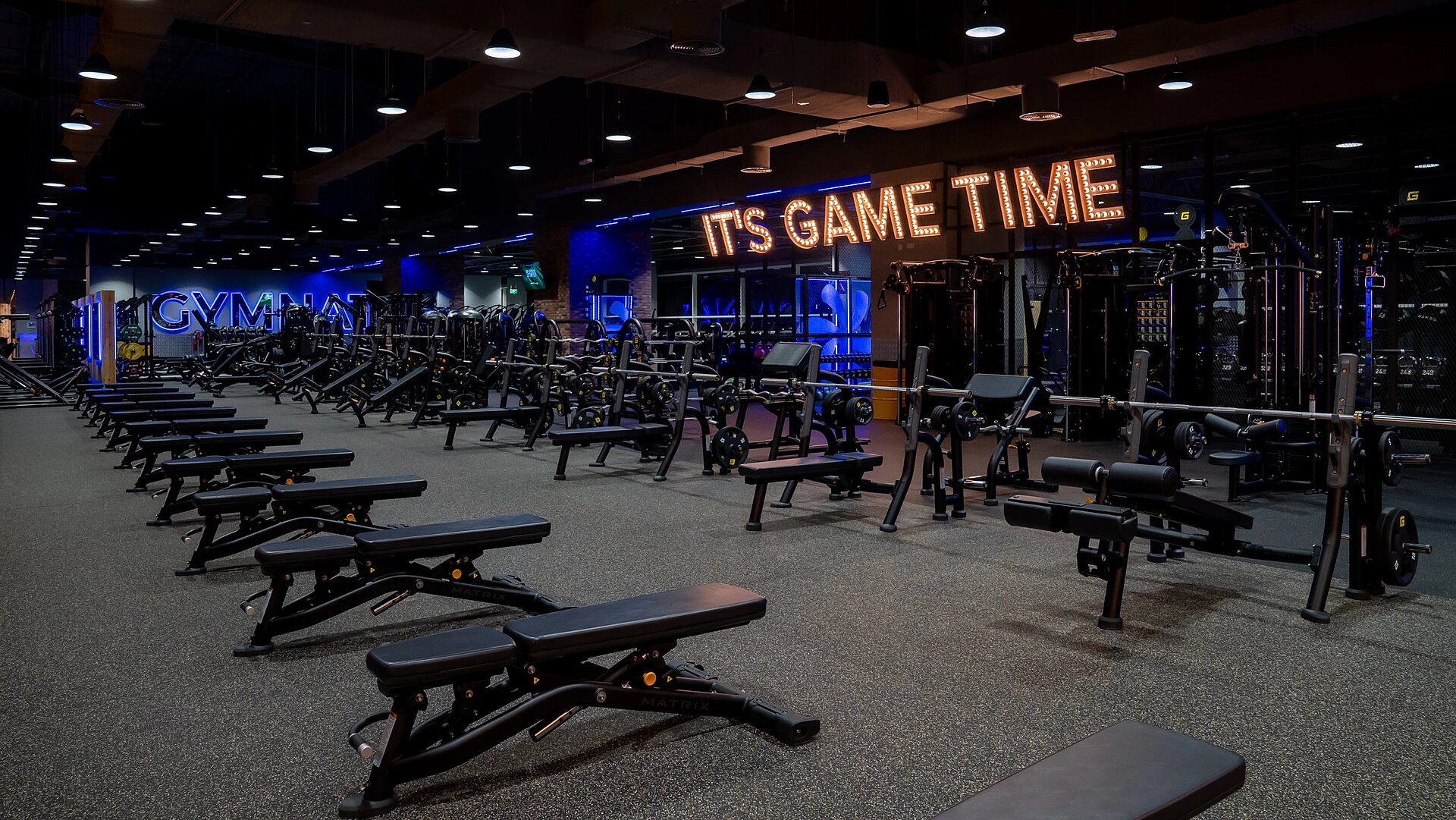
These visuals are built from real training and meal-prep photography so the site feels closer to an actual fitness environment, not an abstract concept deck.


Beginners usually fail because they stack complexity before foundations. This site is arranged so the basics of movement, weekly structure, recovery, and food all lock together instead of competing with each other.
Understand barbells, dumbbells, machines, cardio tools, and accessories before you guess your way through a gym.
Module 02Learn mechanical tension, effort, volume, frequency, progression, and the biggest myths that waste months.
Module 03Use practical 2-day to 5-day plans, age-specific adjustments, and a clear way to progress week by week.
Module 04Set calories, protein, hydration, sleep, and supplements around the reality of your training and life.
Module 05Build repeatable breakfasts, lunches, dinners, shakes, and vegetarian options that actually fit your week.
Module 06Review the guidelines, position stands, and source notes behind the coaching logic used across the site.
These goal-first guides create a stronger second-click path than a simple category grid. Each one acts like a mini journey with a practical promise, deeper content sections, and related next reads.

Use a simple three-day split, build confidence fast, and learn exactly what to track without overcomplicating week one.
Open the full guide
Build a useful home routine with a bench, a pair of dumbbells, and a weekly structure that still feels athletic.
See the room-to-routine flow
Use a repeatable shopping list, fast prep blocks, and high-protein meals so calorie control does not wreck training quality.
Browse the meal-prep planThis slot is sized to sit between the homepage overview and the next detail click. It works better than forcing an interruption because it sits inside a real content transition.
These extra second-level pages catch visitors who already know the exact angle they want: more fat-loss support, more upper-body size work, or a better recovery reset.
Low-impact cardio, step targets, and a weekly rhythm that works well beside strength training.
Use two focused upper sessions, stable movement patterns, and a practical overload ladder for size.
Fix sleep, hydration, soreness management, and fatigue signals before pushing training volume higher.
Use the hub when you want the full map of beginner, home, fat-loss, hypertrophy, and recovery-focused routes.
Fancy exercises matter less than quality sets, sensible progression, enough food, and enough recovery. The people who improve the fastest are usually the ones with the simplest systems.
Choose ranges and setups you can control. Technical ownership lets load increase safely over time.
Add reps, load, or sets only after the current dose becomes repeatable. Growth loves patience more than novelty.
Sleep, stress management, hydration, and nutrition determine how much hard training you can adapt to.
A solid three-day plan followed for a year beats a perfect six-day plan abandoned in three weeks.
You do not need a dramatic transformation plan to make visible progress. Most lifters do better when they spend a few weeks mastering patterns, a few weeks pushing overload, and a brief period easing fatigue before the next push.
Learn setup, stable bracing, and basic effort management. Keep one to three reps in reserve on most sets.
Add reps first, then load, while keeping cardio easy enough that strength training still drives the week.
Lower sets and stop farther from failure. A short deload often restores performance faster than pushing harder.
Emphasize the muscles and lifts you care about most while the rest of the body sits at maintenance volume.
Youth training should teach skill. Adult training can push capacity harder. Midlife training should respect joint and recovery bandwidth. Later-life training should preserve strength, balance, and independence.
The deeper pages explain equipment setup, muscle-growth principles, weekly programming, meal structure, fitness recipes, hydration, sleep, age-based modifications, and a reference list you can audit yourself. This is designed to feel like a practical handbook, not a pile of disconnected blog posts.