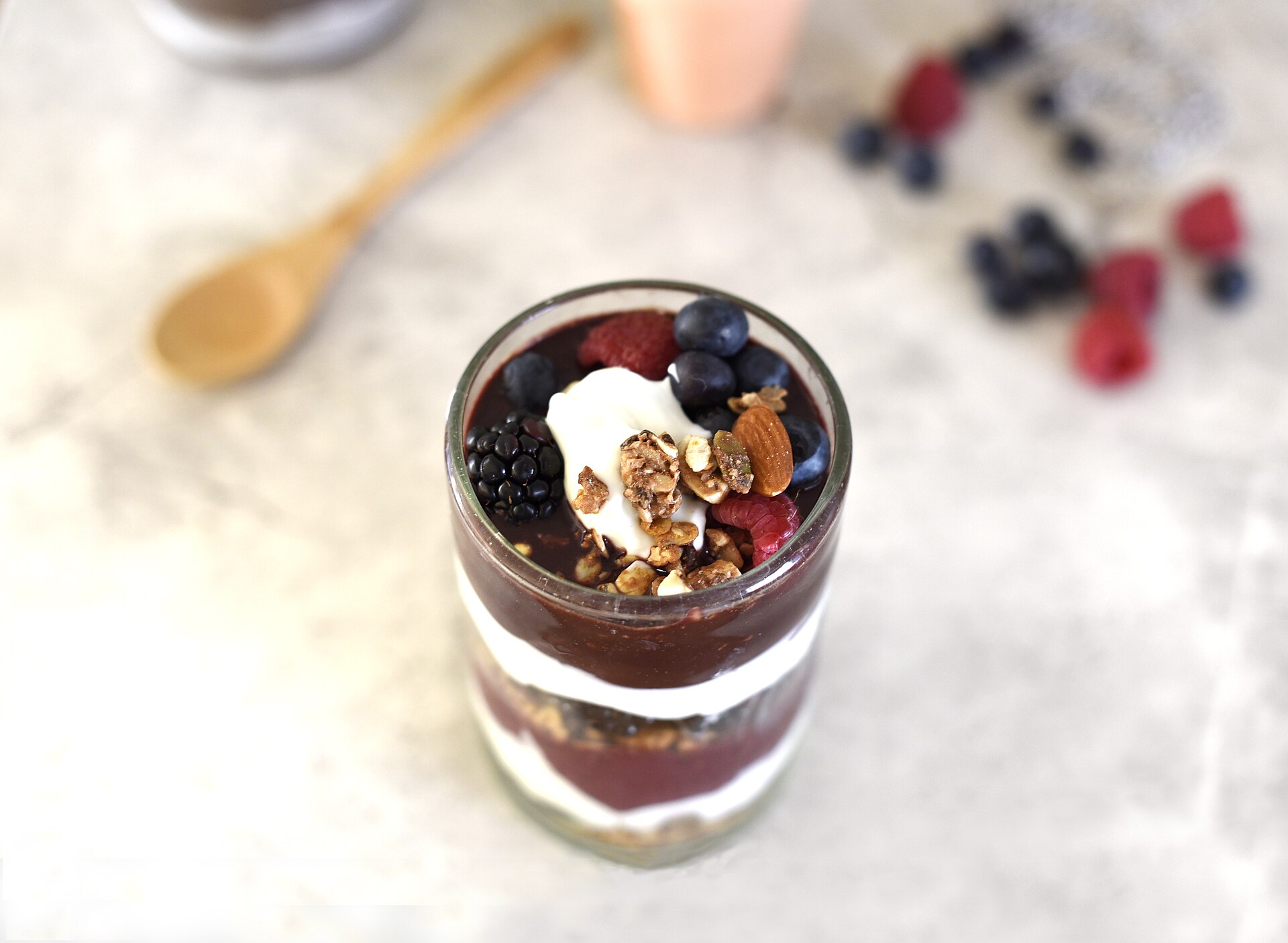
Protein powder
Best seen as portable food. Whey, casein, or soy can help close a daily protein gap when whole meals are inconvenient.
You do not need a perfect diet to change your body. You need a structure that matches your goal, gives you enough protein, supports training performance, and is sustainable when life gets messy. Recovery is part of nutrition too: hydration, sleep, and stress management all affect how much progress your training can produce.
A practical plate starts with a solid protein source, then adds fruit and vegetables, a useful carb source, and an appropriate amount of fat. This keeps the diet aligned with public-health guidance while still supporting physique goals. Meal quality matters because satiety, digestion, training performance, and food adherence all matter.
The best nutrition phase is the one your life can support. Extreme bulks and crash cuts often create worse body composition outcomes than smaller, more controllable changes.
| Goal | Energy strategy | What to emphasize |
|---|---|---|
| Muscle gain | Use a small calorie surplus, not an uncontrolled bulk. | Keep protein high, fuel training with enough carbs, and watch scale trends instead of day-to-day noise. |
| Body recomposition | Stay near maintenance or use very small changes. | Prioritize strength progression, high protein, and consistent meal quality. This often works best for beginners and detrained lifters. |
| Fat loss | Use a moderate deficit that still lets training quality stay useful. | Protect protein, vegetables, hydration, sleep, and training intensity. Cut calories mostly by trimming low-satiety extras first. |
If you train hard, it usually helps to spread protein across the day and place some carbs around training. That said, perfect timing cannot rescue a weak total diet. Start with daily protein, enough total energy for the goal, and food choices you can sustain. Then improve pre- and post-training meals if performance still lags.
Supplements help the most when they solve a real problem: low protein intake, convenience, or a well-supported performance need. They do not replace training quality or diet structure.
Best seen as portable food. Whey, casein, or soy can help close a daily protein gap when whole meals are inconvenient.
One of the most studied sport supplements. It can support strength and high-intensity performance in many healthy people.
Can improve alertness and performance, but it also affects sleep, anxiety, and daily fatigue if used carelessly.
Sometimes useful for dietary gaps, but far less important than food quality, sleep, and total protein intake.
Most are over-marketed, underwhelming, or poorly tolerated. A controlled diet works better than stimulant roulette.
Choose reputable brands and talk with a clinician if you have kidney disease, are pregnant, or take medication.
Adults generally need at least seven hours of sleep, and teens need more. Poor sleep makes hunger harder to manage, effort feel higher, coordination worse, and recovery slower. If training feels flat for weeks, do not only look at your program. Look at bedtime, screen habits, caffeine timing, and total life stress.
These second-level pages help when broad nutrition advice is not enough and the visitor wants a more direct template.
Use a repeatable grocery loop and prep block when calorie control keeps collapsing midweek.
Pair easier cardio and step targets with training so fat loss feels sustainable instead of exhausting.
Fix sleep, hydration, and high-fatigue patterns when the training plan is fine but the body is not bouncing back.
Switch to the full guide hub when the better next click is beginner training, home workouts, or upper-body muscle work.