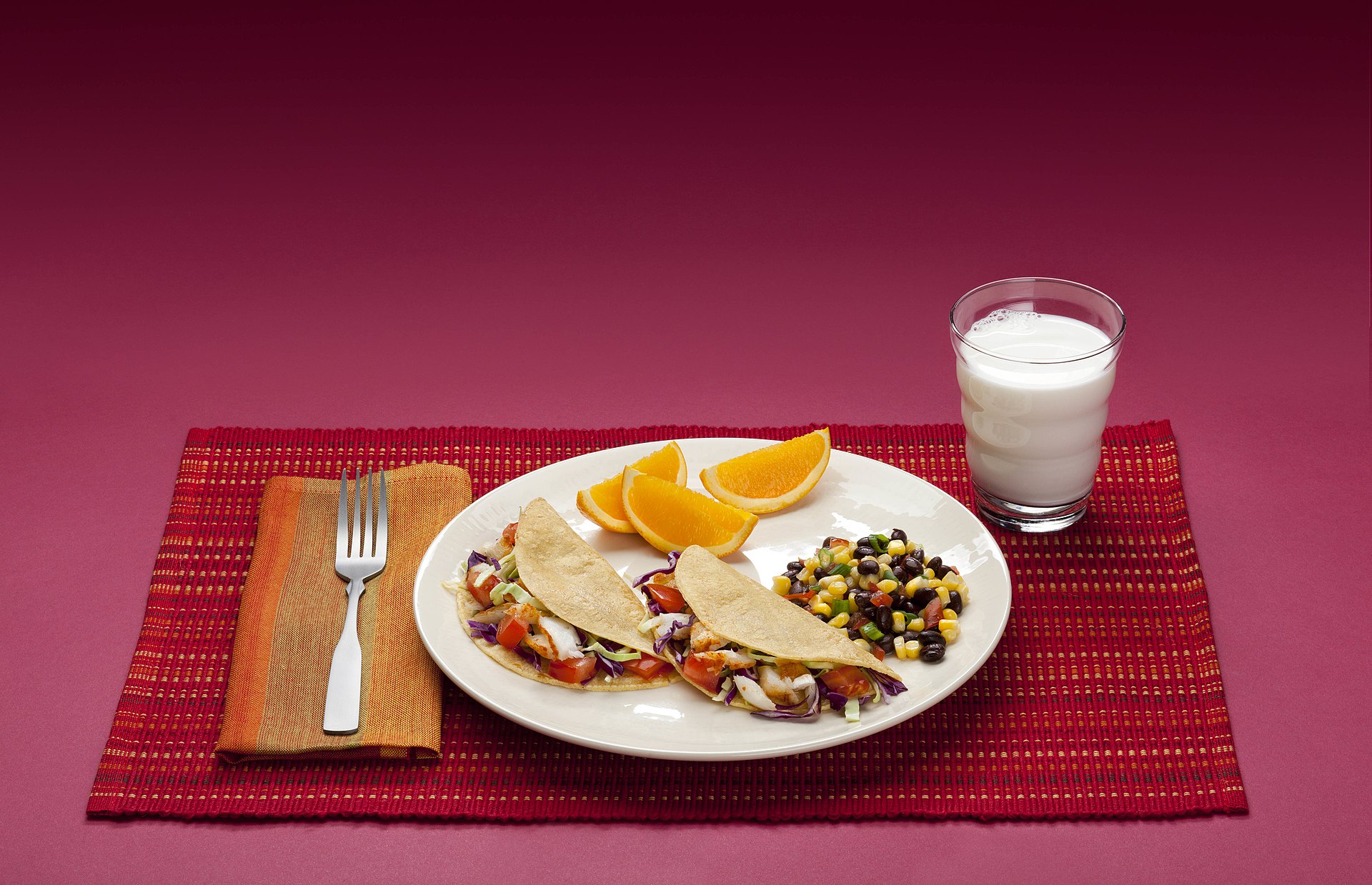
Start with three reliable meal types.
Most people get better cutting results from repetition, not creativity. Use one breakfast pattern, one lunch or dinner bowl pattern, and one backup snack or shake so the week stays predictable.
Protein plus fruit
Greek yogurt bowls, eggs with toast, or a protein oatmeal setup keep mornings simple and filling.
Protein bowl formula
Use a lean protein base, one carb source, lots of vegetables, and a measured fat source.
Snack or shake
Keep one portable protein option ready when a full meal is delayed.
Vegetables and fruit
Food volume helps appetite management far more than endless willpower does.
Buy ingredients that can rotate across multiple meals.
A short grocery loop makes prep easier and reduces waste. Keep the list tight enough that the fridge does not turn into a museum of good intentions.
- Choose two protein anchors such as chicken and Greek yogurt, or tofu and eggs.
- Pick one or two carb bases like rice, potatoes, oats, wraps, or pasta.
- Buy vegetables that cook quickly and reheat well, such as peppers, broccoli, spinach, carrots, or frozen mixes.
- Use calorie-dense extras with intention: oils, nuts, cheese, sauces, and dressings add up fast.
Use one organized prep window instead of daily decision fatigue.
A 60 to 90 minute prep block is usually enough for several days of meals. Cook the protein, prep the carbohydrate, portion the vegetables, and leave sauces or crunchy toppings separate so the texture stays better.
If the entire week feels too repetitive, change only one component at a time. Keep the structure stable and rotate the seasoning, sauce, or side instead of rebuilding the whole system.
The biggest fat-loss meal-prep mistakes are usually hidden calories and weak protein.
- Cutting portions randomly until hunger gets so high that adherence collapses later in the day.
- Building meals around snacks instead of a proper protein anchor.
- Underestimating oils, dressings, sweet drinks, and “healthy” extras that add calories quickly.
- Trying to prep seven days of variety when four strong repeatable meals would work better.
If fat loss stalls, check adherence first. Most plateaus come from the meal system breaking under real-life stress, not from a missing supplement or trick food.