Use the tool that matches the job.
Gym equipment becomes useful when you understand three things: the movement pattern it supports, the stability it gives you, and the kind of fatigue it creates. The best setup is not the most advanced one. It is the one you can repeat with clean mechanics and progressive overload.
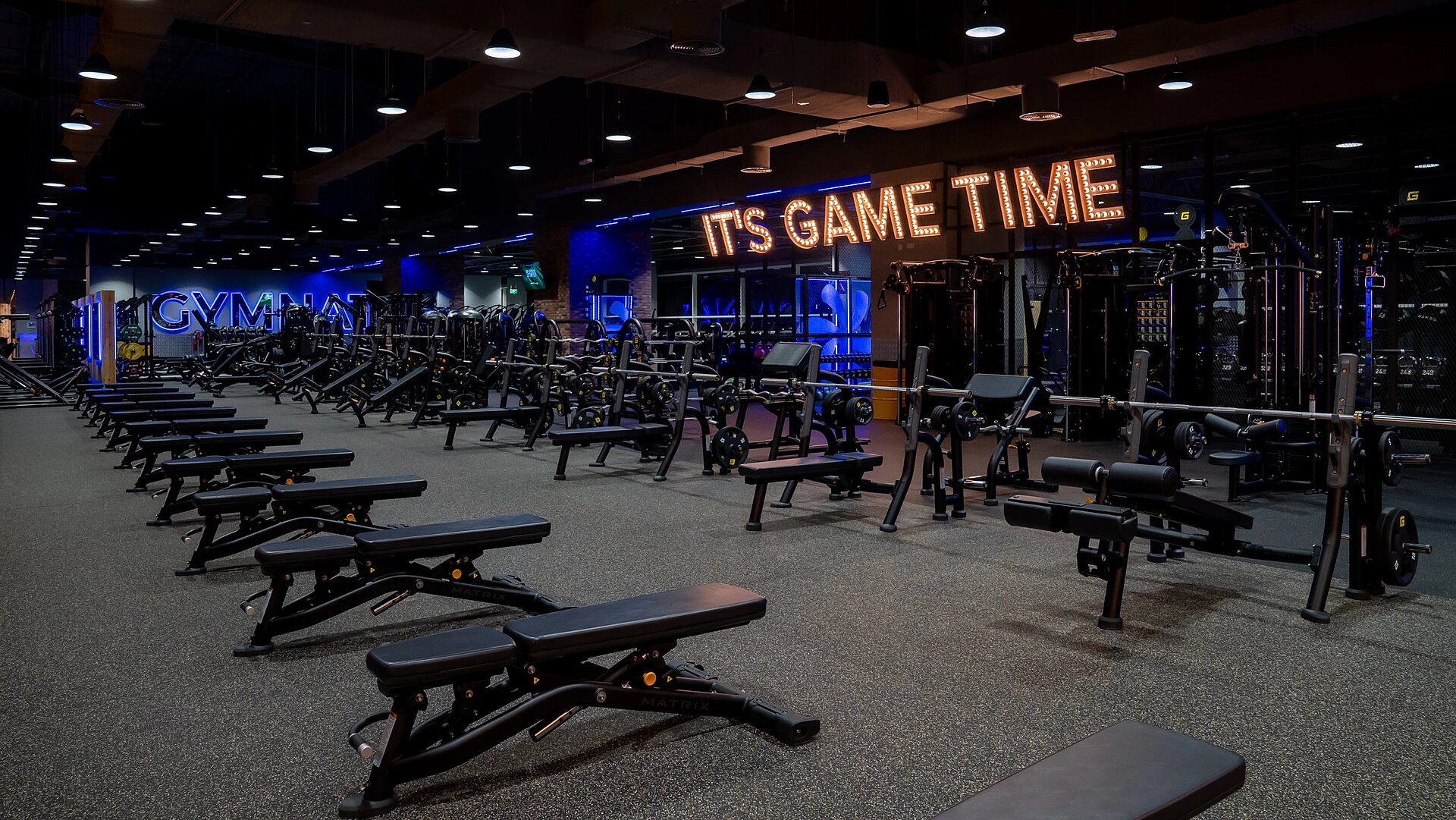
Think patterns first, equipment second.
A good gym plan repeatedly covers squat, hinge, horizontal push, horizontal pull, vertical push, vertical pull, single-leg work, loaded carries, core bracing, and conditioning. Once you know the pattern, equipment choice gets much easier: free weights offer freedom, machines give stability, cables offer angle control, and conditioning tools add aerobic work without always draining the muscles you are trying to grow.
- Align the machine or load with the joint and line of pull you actually want.
- Lock in feet, hips, ribcage, and grip before the first rep.
- Use light rehearsal reps to test range, path, and stability.
- Push effort only after setup feels repeatable.
What each tool is for, how to use it, and what to avoid.
Use the filters to move from broad categories into specific tools. Each entry includes the main pattern, why it is useful, setup reminders, coaching cues, common errors, and a sensible starter dose.
Use tool selection like a decision tree.
Pick more stable tools when you are learning a pattern, pushing close to failure, working around a cranky joint, or trying to isolate a muscle without extra balance demands. Pick freer tools when you want more coordination, carryover to athletic movement, or easy load tracking over time. A balanced program usually uses both.